

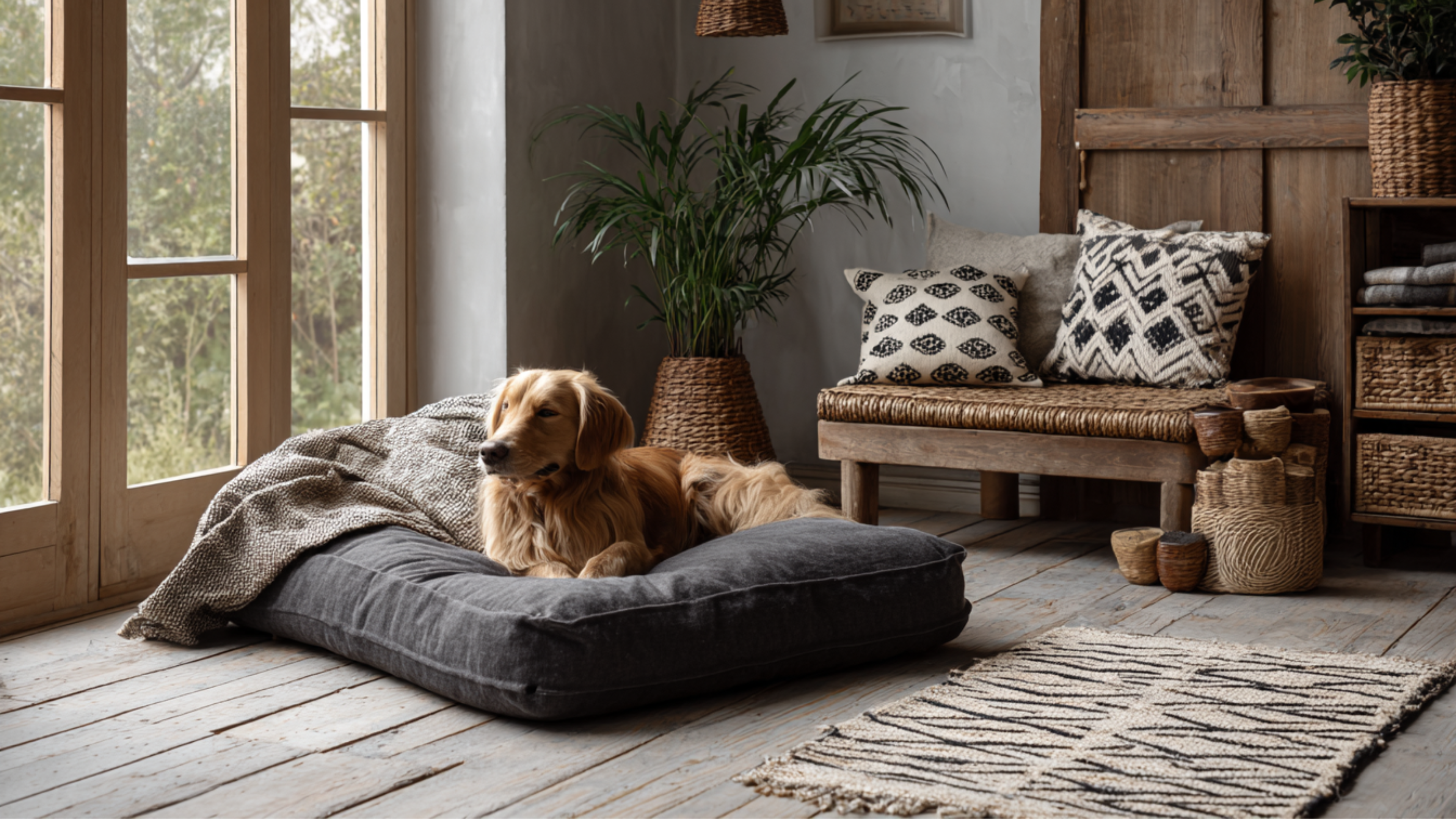
That RM200 pet bed seems like a sensible choice—until you're purchasing your third replacement in eighteen months. Meanwhile, the RM800 option you hesitated over would still be serving your companion beautifully, having cost you less per month of use. For discerning pet owners seeking both value and quality, this mathematical reality reveals something profound: cheap rarely means economical.
The Real Mathematics of Pet Product Investment
Your Initial Cost vs. Lifetime Value
Consider the modest feeding bowl. A plastic option from a mass marketplace costs RM30 and begins showing wear—cracks, stains, lingering odors—within twelve months. Over five years, you'll purchase this bowl five times, spending RM150. A handcrafted ceramic bowl at RM120 serves faithfully for seven years or more, costing you roughly RM1.40 per month compared to RM2.50 for the disposable alternative.
This pattern repeats across every category. That bargain dog bed loses its support within months, forcing your companion onto a flattened surface that offers little comfort. The premium option—constructed with high-density foam and durable natural covers—maintains its structure for years, protecting your pet's joints while delivering genuine savings.
The Hidden Costs You're Not Calculating
Beyond replacement cycles, cheaper products exact costs you don't see on receipts. There's your time—returning to shops or scrolling through marketplaces every few months. There's the frustration of items breaking at inconvenient moments. Most concerning is the hygiene factor: porous plastics harbor bacteria in Malaysia's humid climate in ways that ceramic and stainless steel simply don't, demanding specialized cleaning products and constant vigilance.
Environmental Impact: Beyond Your Home
The Landfill Reality in Malaysia
Malaysia's waste management infrastructure faces genuine challenges, and synthetic pet products contribute meaningfully to this burden. A cheap nylon bed that lasted eight months doesn't biodegrade—it sits in landfills for decades, breaking down into microplastics that eventually enter our ecosystems. Purchasing pet products crafted from recycled materials—like ocean plastics transformed into durable beds or feeding mats—gives genuine purpose to your investment.
The Multiplier Effect of Quality
Sustainable pet products thoughtfully designed to minimize waste—like beds with durable fillings where only the cover needs replacing—prevent multiple complete replacements from entering waste streams.—you're not just buying better, you're buying less, which may be the most sustainable choice of all.
Design That Enhances Your Living Space
When Pet Products Become Home Decor
Your living space reflects the care you bring to life's details. Premium pet products understand this, integrating seamlessly rather than demanding to be hidden. A feeding station crafted from natural wood or designed with minimalist lines complements your kitchen's aesthetic. A linen bed in undyed fabric echoes the neutral palette you've cultivated throughout your home. Cheaper alternatives often clash visually—garish colors, mismatched materials, proportions that feel awkward in refined spaces.
The Cost of Hiding What You Own
When pet products can't be displayed proudly, they migrate to corners and closets, consuming storage space and creating daily hassle. You find yourself moving items before guests arrive or cropping them out of photos. Quality design eliminates this tension entirely—your pet's belongings enhance rather than detract, earning their place in view without apology.
Your Pet's Health & Safety First
Material Safety Standards
Mass-produced pet products often cut corners where it matters most: material safety. That inexpensive plastic bowl might contain BPA or phthalates—compounds that leach into food and water, particularly in Malaysia's warm climate. Premium products carry food-grade certifications, lead-free guarantees, and use untreated natural materials. For pets who explore the world through taste and texture, this distinction becomes critical.
Comfort That Shows in Behavior
Your companion can't articulate discomfort, but their behavior reveals it. A bed that loses support affects sleep quality and joint health. Feeding bowls that tip easily create stress during meals. Quality products consider the pet's actual experience—bowls have weight and stability, beds maintain their structure through thousands of rest periods. The difference appears in your pet's willingness to use these items, and in their long-term wellbeing.
The Investment Decision Framework
Questions Worth Asking
Before any pet product purchase, consider: Will this item be in daily use? Does it contact my pet's food, water, or body for extended periods? Will it be visible in my primary living spaces? How long should this reasonably last? Your answers guide investment. Items used daily—feeding bowls, beds, leashes—deserve your highest quality threshold.
Recognizing Genuine Quality
Quality reveals itself in details: weight and finish, stitching and joins, material certifications and origin transparency. A premium price tag doesn't guarantee these attributes, but their presence justifies thoughtful investment. The curated marketplace exists precisely because mass platforms cannot deliver the intersection of design, sustainability, and genuine quality simultaneously.
Your First Strategic Upgrade
Start with feeding bowls—the most-used items in your pet's daily life. A shift from plastic to ceramic or stainless steel delivers immediate returns: easier cleaning, better hygiene, improved stability, and design that complements your kitchen. Budget RM100-150 for quality feeding bowls that will serve faithfully for years. You'll notice the difference within days, as will your pet.
The mathematics of thoughtful investment become clear in lived experience: quality costs less, looks better, and cares more deeply.
Explore Lumi Pets' curated premium, high-quality, minimalist and eco-friendly pet products.


