

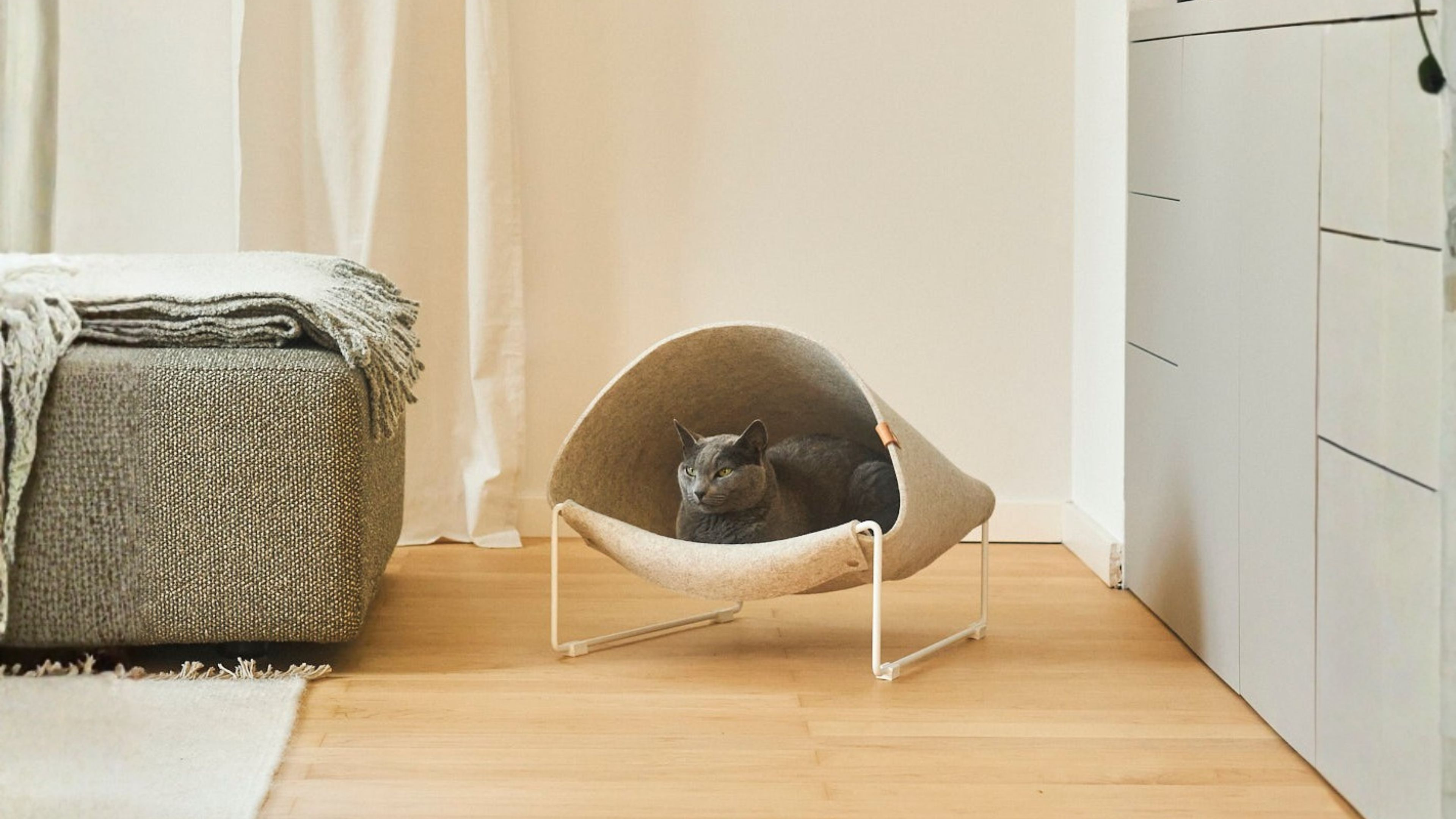
There's a moment most pet owners know well. You bring home a bed, a bowl, or a leash — and then spend the next few months quietly tolerating how it looks in your living space. The bright orange harness draped over the chair. The plastic food bowl wedged between the kitchen cabinet and the wall. The toy pile that somehow always ends up visible from the front door.
It doesn't have to be this way. The gap between what's good for your pet and what looks considered in your home has narrowed considerably — if you know what to look for.
Why Pet Accessories Have Traditionally Clashed With Interiors
The pet industry has historically designed for impulse and price point, not for longevity or aesthetic integration. Bright colours signal playfulness at the point of sale. Plastic signals affordability. The result is a category of products that works well enough functionally but sits awkwardly in any home that its owner has thought carefully about.
The assumption that pet owners will compromise
For a long time, the industry operated on the assumption that pet owners would accept a visual trade-off — that choosing what's good for their animal meant accepting something that looked like it came from a pet store. This assumption is increasingly wrong. Design-conscious pet owners in Malaysia are choosing differently, and the international brands responding to that shift are producing products that belong in a considered home as naturally as any other well-made object.
What "belonging" actually means
A piece belongs in a home when it doesn't draw attention to itself for the wrong reasons — when it sits quietly in a space, serves its purpose, and neither clashes with what surrounds it nor demands to be hidden. In 2026, pet accessories are aligning with interior design trends rather than fighting them — pet parents don't want to hide their dog bowls anymore, they want them to belong. This is a different standard than matching, which is both harder to achieve and less interesting. Belonging means coherence — materials, tones, and proportions that feel like they were chosen rather than defaulted to.
What to Look for in Pet Accessories That Integrate Well
Materials that read as considered
Natural materials — wool felt, leather, organic cotton, food-grade silicone, stainless steel — carry an inherent visual weight that synthetic alternatives don't. They age differently too: a leather collar softens and develops character over years of wear, while a nylon one frays and dulls. In a home with linen curtains and timber furniture, a wool pet bed reads as a deliberate choice. A polyester one reads as an afterthought.
The MiaCara Mondo Dog Cushion in bouclé fabric is a useful example. Bouclé is a material that appears in high-end sofas and accent chairs — it belongs in a living room not because it's trying to match anything, but because its texture and warmth are consistent with how a considered interior feels.
Colourways that work with neutral interiors
Pet accessories are increasingly moving into soft off-whites, warm neutrals, and muted palettes that feel like a blank canvas rather than a statement — chosen the same way interiors and clothing are, for how they make a space feel. For Malaysian interiors that tend toward warm wood tones, terrazzo, and linen — the sand, taupe, and charcoal colourways that run through Lumi Pets' curated range sit naturally without requiring a redesign.
Proportions that don't dominate
A pet bed that takes up a third of a living room floor isn't inherently a problem — but its visual weight should be proportional to its surroundings. Low-profile beds, bowls that sit flush with the floor rather than spilling across it, and leashes hung rather than coiled tend to read as more considered. Think about how the piece will look in the room before you think about how it will look on the product page.
Accessories Worth Integrating Room by Room
The living room
The pet bed and the toy collection are the two biggest visual considerations in a shared living space. A bed in a natural material — the MiaCara Mare cushion in ocean-recycled yarn, or the Tadazhi storage basket keeping toys contained — earns its place in the room rather than apologising for it. The goal is one or two pieces that look deliberate, not a collection of items that accumulates over time.
The entryway
The walk kit — leash, collar, poop bag holder — tends to live near the front door, which means it's often the first pet-related thing guests notice. Hanging a leather leash on a hook rather than leaving a nylon one coiled on the floor is a small shift that changes how the whole entry reads. The Molly & Stitch leather leash and Touch of Leather collar look as considered hung on a wall as they do in use.
The kitchen
Feeding accessories have moved away from being tucked out of sight between meals. Ceramic bowls, sculptural forms, and calm finishes are designed to live out in the home — sitting comfortably in kitchens and living spaces rather than being hidden. The Tadazhi silicone bowl in warm grey sits on a kitchen floor the way a well-chosen kitchen object sits on a counter — present without demanding attention.
The Principle Behind It All
Choosing pet accessories that belong in your home isn't about matching colours or following a style guide. It's about applying the same standard you already apply to everything else you bring into your space — asking whether something is well made, whether its materials are honest, whether it will look better or worse in a year's time.
That standard, applied consistently, produces a home where your pet's things feel like a natural extension of how you live — not a concession you've made to accommodate an animal.
Browse the full collection at lumipets.com.my


