


As pet parents, we ensure our dogs and cats have nutritious food, fresh water, and a comfortable place to sleep. But are we giving them everything they truly need to thrive? The answer lies in understanding the vital role of enrichment for pets.
Why Enrichment for Dogs and Cats Is Critically Important
Imagine being confined to the same four walls every day with nothing to do, no challenges to solve, and no way to express your natural instincts. This is the reality for many pets living without adequate enrichment. Both dogs and cats are intelligent, curious creatures with instinctive behaviors that need healthy outlets.
Without proper mental stimulation, pets often develop behavioral problems. Dogs may resort to destructive chewing, excessive barking, or digging. Cats might scratch furniture, exhibit aggression, or develop anxiety-related behaviors. These aren't signs of a "bad" pet; they're symptoms of boredom and unmet psychological needs.
Enrichment for pets addresses this fundamental need by providing activities that engage their minds, satisfy their natural instincts, and reduce boredom. When we incorporate enrichment into our pets' daily routines, we're not just keeping them busy—we're supporting their overall wellbeing and helping them live happier, more balanced lives.
The Key Benefits of Enrichment for Pets
The advantages of providing enrichment for dogs and cats extend far beyond simply preventing destructive behavior. Here's how enrichment transforms your pet's life:
Mental Health and Cognitive Function:
Just like humans, pets need mental exercise to stay sharp. Puzzle toys, training sessions, and problem-solving activities strengthen neural pathways and can even slow cognitive decline in senior pets. A mentally stimulated pet is a happier, more confident pet.
Physical Health:
Many enrichment activities incorporate movement, helping pets maintain a healthy weight and strong muscles. Interactive play sessions get your dog running and your cat pouncing, providing essential exercise that complements their diet.
Stress and Anxiety Reduction:
Enrichment gives pets appropriate ways to channel their energy and express natural behaviors. When dogs can sniff, chew, and explore, or when cats can hunt, climb, and scratch, they experience less frustration and anxiety. This is particularly beneficial for pets dealing with separation anxiety or environmental stressors.
Behavioral Improvement:
Enrichment for pets provides positive outlets for energy that might otherwise manifest as problem behaviors. A tired, mentally satisfied pet is far less likely to engage in unwanted behaviors like excessive vocalization, aggression, or destructive tendencies.
Stronger Bond:
Interactive enrichment activities create opportunities for quality time between you and your pet. Training sessions, play time, and exploration together strengthen your relationship and build trust.
Types of Enrichment for Dogs and Cats
Understanding the different categories of enrichment helps you create a well-rounded program for your pet. Here are the main types to incorporate:
Food-Based Enrichment:
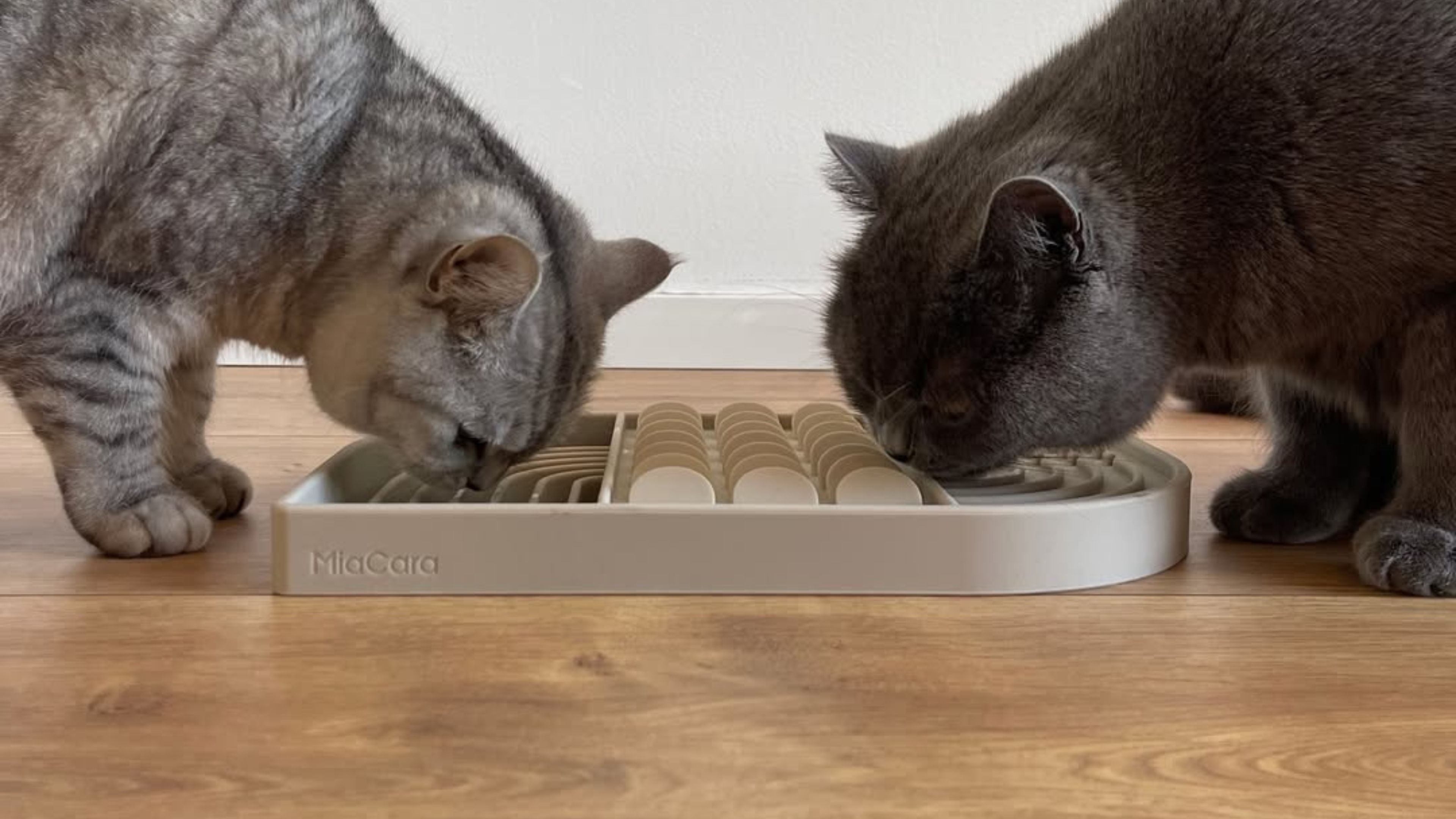
This taps into your pet's natural foraging instincts. For dogs, consider puzzle feeders, snuffle mats, or frozen treat-dispensing toys. Cats benefit from food puzzles, treat balls, or hiding small portions of kibble around the house for them to hunt. This simple change transforms mealtime from a 30-second gulp into a satisfying 20-minute activity.
Physical Enrichment:
This involves modifying your pet's environment to encourage natural behaviors. For dogs, this might include agility equipment, digging boxes, or swimming opportunities. Cats thrive with vertical spaces like cat trees, window perches, scratching posts, and enclosed hiding spots. Creating an enriched physical environment gives pets choices about how they spend their time.
Sensory Enrichment:
Engage your pet's senses in safe, interesting ways. Dogs love sniffing walks where they can explore different scents at their own pace. Provide different textures for them to walk on or investigate. Cats appreciate bird-watching stations at windows, cat-safe plants like cat grass, or even specially designed videos featuring birds and small animals.
Social Enrichment:
This includes positive interactions with humans and other animals. For dogs, this might mean playdates with compatible canine friends, trips to dog-friendly locations, or training classes. Cats, despite their independent reputation, also need social enrichment through interactive play sessions with you, gentle petting when they request it, and for some cats, carefully supervised interactions with other feline household members.
Cognitive Enrichment:
Challenge your pet's brain with training and problem-solving. Teach your dog new tricks, practice scent work, or try canine sports like agility or rally. For cats, clicker training is highly effective, and you can teach them to respond to their names, use a scratching post on cue, or even perform simple tricks. Rotating toys to maintain novelty also provides cognitive stimulation.
Novel Experiences:
Safely introducing new experiences prevents life from becoming monotonous. For dogs, this might include exploring new walking routes, visiting pet-friendly stores, or trying new activities like dock diving or nosework. For cats, something as simple as rearranging furniture, introducing a new toy, or allowing supervised access to a secure outdoor enclosure (catio) can provide exciting novelty.
The key is variety. Just as you wouldn't want to eat the same meal every day or do the same activity repeatedly, your pets benefit from a diverse enrichment program that keeps life interesting and engaging.
Pet Enrichment Is Not a Luxury—It's Essential for Your Pet's Health
For too long, enrichment for dogs and cats has been viewed as optional, something that "nice to have" pet owners provide. This perspective fundamentally misunderstands what our pets need to thrive.
Enrichment for pets is as essential as proper nutrition and veterinary care. It's a core component of responsible pet ownership that directly impacts physical health, mental wellbeing, and quality of life. A pet living without adequate enrichment isn't just bored; they're being deprived of fundamental psychological needs.
The good news is that providing enrichment doesn't require expensive equipment or hours of time. Simple changes like food puzzles, regular training sessions, environmental modifications, and dedicated interactive play time can dramatically improve your pet's life. Start small, observe what your individual pet enjoys, and build from there.
When you commit to providing enrichment for your dog or cat, you're investing in their happiness, health, and the deep, rewarding relationship you share. Your pet gives you unconditional love—enrichment is one meaningful way to give back and ensure they live their best possible life.


